
What Are the Types of Dental Tooth Filling in Dubai?
- enfieldclinicseo
- Nov 6, 2025
- 4 min read
When it comes to maintaining a healthy and confident smile, dental fillings play a vital role in restoring damaged or decayed teeth. In recent years, advancements in dentistry have made fillings more effective, durable, and aesthetically pleasing. For those looking to enhance their oral health, understanding the different types of Dental Tooth Filling in Dubai can help in making an informed decision about which option suits your needs best.

Understanding Dental Tooth Fillings
A dental filling is a restorative material used to repair a tooth that has been affected by decay, cracks, or wear. When decay eats away a portion of the tooth, a filling restores its shape, strength, and function. The type of filling chosen depends on several factors, including the extent of the damage, the tooth’s location, and aesthetic preferences. With the variety of materials available today, patients in Dubai can expect solutions that not only restore oral function but also blend seamlessly with natural teeth.
Amalgam Fillings – The Traditional Choice
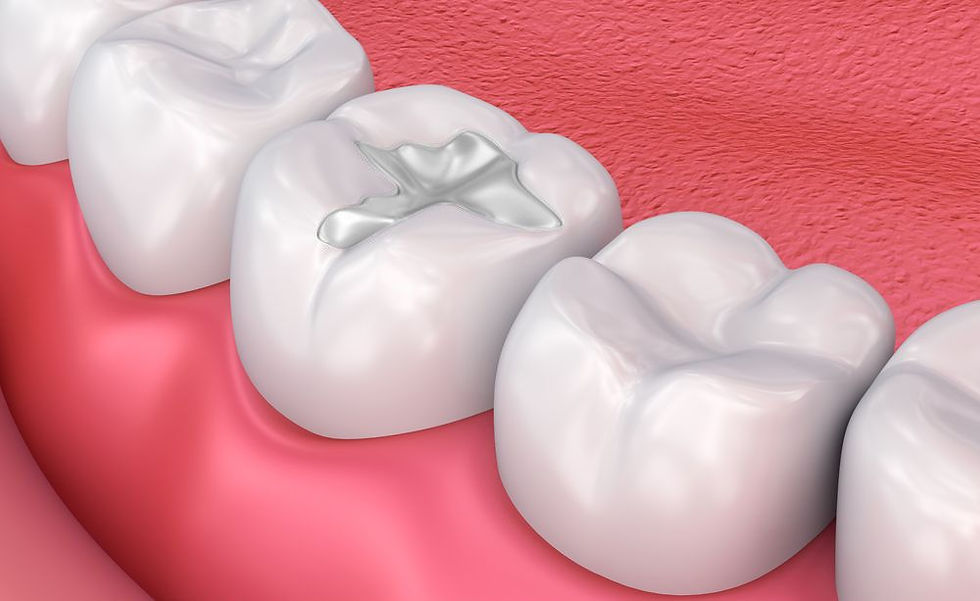
Amalgam fillings, often known as silver fillings, have been used in dentistry for over a century. They are made from a combination of metals, including silver, mercury, tin, and copper. These fillings are highly durable and can withstand the pressure of chewing, making them ideal for molars and back teeth.
One of their main advantages is longevity—amalgam fillings can last for many years with proper care. However, they are more noticeable than other options due to their metallic color, making them less popular for visible teeth. Despite this, they remain a practical choice for those seeking long-lasting and cost-effective restoration.
Composite Fillings – Aesthetic and Versatile
Composite resin fillings have become increasingly popular due to their natural appearance and adaptability. Made from a mixture of plastic and fine glass particles, these fillings can be color-matched to the surrounding teeth, creating a seamless look. They are ideal for patients who want a filling that blends in perfectly with their natural smile.
Composite fillings are versatile and can be used for both front and back teeth. They bond directly to the tooth structure, providing extra support and reducing the chance of further decay. Although they may not last as long as metal fillings, modern composite materials are designed for improved strength and durability, making them an excellent option for many individuals.
Ceramic Fillings – Beauty and Strength Combined
Ceramic or porcelain fillings are a top choice for those who prioritize aesthetics and durability. These fillings are crafted from high-quality porcelain that mimics the translucency of natural enamel. They are stain-resistant and offer a strong, long-term solution for restoring damaged teeth.
Ceramic fillings are particularly suitable for larger cavities and visible areas of the mouth. They require careful placement and often take more than one dental visit to complete, but their superior appearance and resilience make them worth the effort. With proper care, ceramic fillings can maintain their beauty for many years.
Glass Ionomer Fillings – Best for Gentle Protection
Glass ionomer fillings are made from a blend of acrylic and glass powders. They release fluoride, which helps protect teeth from further decay—a great advantage for children or those prone to cavities. These fillings are usually used for smaller restorations or areas that do not experience heavy chewing pressure.
While not as durable as composite or ceramic options, glass ionomer fillings are valued for their preventive qualities and ability to bond naturally with the tooth. They are also ideal for temporary fillings or for use in baby teeth, offering a gentle yet effective form of protection.
Gold Fillings – A Premium Option
Gold fillings are known for their exceptional strength and durability. Made from gold alloy, these fillings can last for decades with minimal wear. They do not corrode and are highly biocompatible, making them a reliable choice for long-term dental restoration.
Despite their cost and noticeable appearance, many patients appreciate gold fillings for their resilience and smooth texture. They are often recommended for back teeth, where strength and endurance are more important than appearance. Gold fillings symbolize a commitment to quality and long-term oral health.
Choosing the Right Filling Material
Selecting the best filling material depends on several factors, including the location of the cavity, your aesthetic goals, and your dentist’s recommendation. For front teeth, composite or ceramic fillings are often preferred for their natural appearance. For molars, where chewing forces are greater, amalgam or gold fillings may be more suitable due to their durability.
Additionally, individuals who value fluoride release or are treating children might benefit from glass ionomer fillings. Discussing your specific needs with a dental professional can help you choose a filling that offers the best balance of beauty, function, and longevity.
The Modern Approach to Tooth Restoration
Dubai’s dental industry continues to advance with modern techniques and high-quality materials, ensuring that patients receive the best possible care. Today’s fillings are more comfortable, natural-looking, and designed to last longer than ever before. Whether you’re addressing a new cavity or replacing an old filling, there is a material and method tailored to your unique smile.
Investing in dental health not only restores function but also boosts confidence and prevents future oral problems. With a wide range of innovative options available, individuals can enjoy customized treatment plans that meet their personal and aesthetic preferences.
In the heart of this growing field, Dental Tooth Filling Dubai stands as a testament to how far modern dentistry has come—offering solutions that blend science, comfort, and artistry to keep every smile strong and beautiful.


Comments